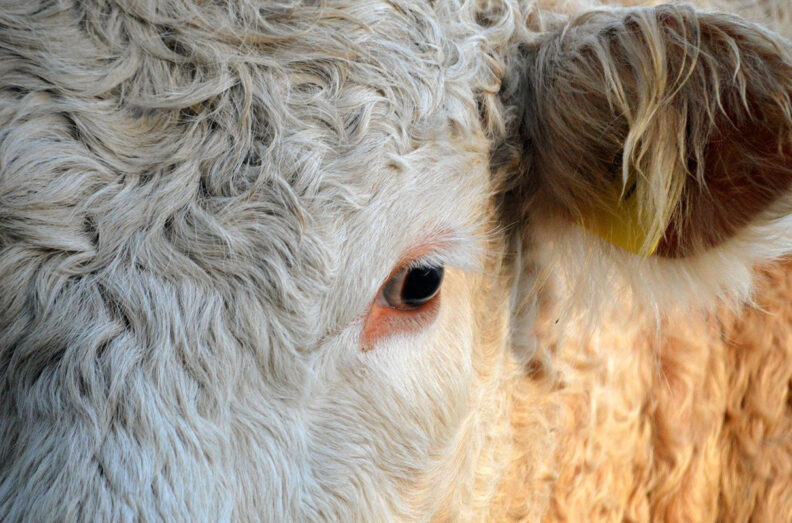
What is bovine pinkeye?
Bovine pinkeye, also called infectious bovine keratoconjunctivitis (IBK), is a painful and contagious eye disease in cattle. It commonly affects calves and young cattle during the summer months and can lead to decreased weight gain, treatment costs, eye scarring, or blindness in severe cases.
What causes pinkeye in cattle?
Pinkeye is most commonly associated with the bacterium Moraxella bovis. Another bacterium, Moraxella bovoculi, is also frequently found in affected eyes, although its exact role in causing disease remains unclear.
Flies, dust, tall grass, ultraviolet light, and eye irritation can all increase the risk of infection and spread within a herd.
What are the signs of pinkeye?
Common signs include:
- Excessive tearing
- Squinting
- Eye redness
- Sensitivity to light
- Cloudiness or ulcers on the cornea
- Reduced appetite or poor thrift
Severe infections can lead to corneal rupture or blindness.
How is pinkeye treated?
Early treatment is important to reduce pain and limit eye damage.
Treatment may include:
- Antibiotics
- Anti-inflammatory medications
- Eye patches
- Fly control measures
- Separating affected animals when practical
Producers should work with their veterinarian to determine the most effective treatment plan for their herd.
Can pinkeye be prevented?
Good herd management can help reduce the risk and severity of pinkeye outbreaks.
Helpful prevention strategies include:
- Aggressive fly control
- Reducing dust and eye irritation
- Managing tall grass and weeds
- Providing balanced nutrition and mineral supplementation
- Monitoring cattle closely during high-risk seasons
Outbreaks can still occur even with good management practices.
Are vaccines effective against pinkeye?
Pinkeye vaccines may help reduce disease severity in some herds, but protection is variable and vaccines do not always prevent outbreaks. Research suggests vaccine effectiveness can vary because different bacterial strains may circulate between herds and from year to year.
Autogenous vaccines made from bacteria isolated from a specific herd may provide benefits in some situations, but results remain inconsistent. New vaccine research is ongoing, including studies evaluating intranasal vaccines designed to improve local eye immunity.
When should producers contact a veterinarian?
Producers should contact a veterinarian if:
- Multiple cattle develop eye problems
- Animals develop severe cloudiness or ulcers
- Vision loss is suspected
- Current treatments are not working
- Pinkeye outbreaks recur every year
A veterinarian can help identify contributing management factors and develop a prevention and treatment plan tailored to the herd.
Acknowledgment
This FAQ was developed using content from WSU’s Veterinary Medicine Extension.
This information is not meant to be a substitute for veterinary care. Always follow the instructions provided by your veterinarian. Washington State University assumes no liability for injury to you or your animals incurred by following these descriptions or procedures.