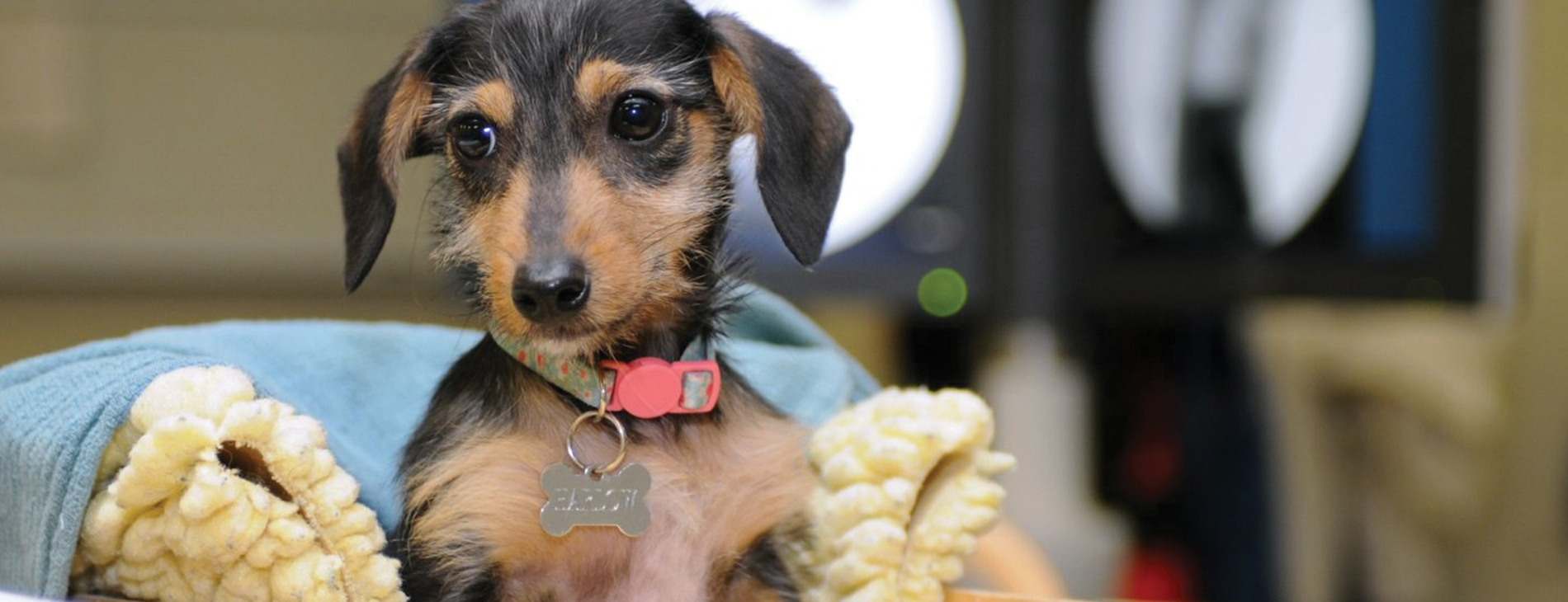
SMALL ANIMAL VETERINARY CARE
Internal Medicine
Our veterinary internists work to identify the underlying causes of disease
Internal Medicine
Our internal medicine veterinarians specialize in
- Endocrine disease, including diabetes mellitus, hyperthyroidism, and Cushing’s disease
- Gastrointestinal disease, including chronic vomiting or diarrhea, inflammatory bowel disease, and megaesophagus
- Blood disorders including anemia and platelet disorders
- Respiratory disease including pneumonia and chronic bronchitis
- Liver and biliary tract disease, such as hepatitis and gall bladder disorders
- Renal disease including chronic kidney disease
- Urinary disease including urinary incontinence and urinary tract infection
- Infectious disease, such as tick-borne and systemic fungal
Health care and diagnostic services we offer

- Radioactive iodine treatment (I-131) of hyperthyroid cats
- Individualized imaging including a videofluoroscopic feeding evaluation for dogs with megaesophagus
Hospital Stories
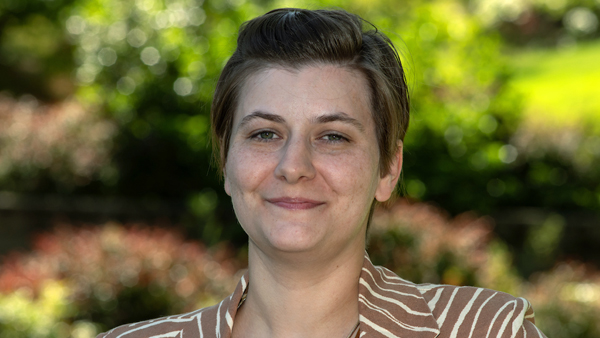
Q&A with small animal internal medicine resident Dr. Lela B. Remington
Dr. Lela B. Remington is a small animal internal medicine resident at Washington State University’s Veterinary Teaching Hospital, where she is helping to provide advanced care for dogs and cats while she completes a three-year residency program.
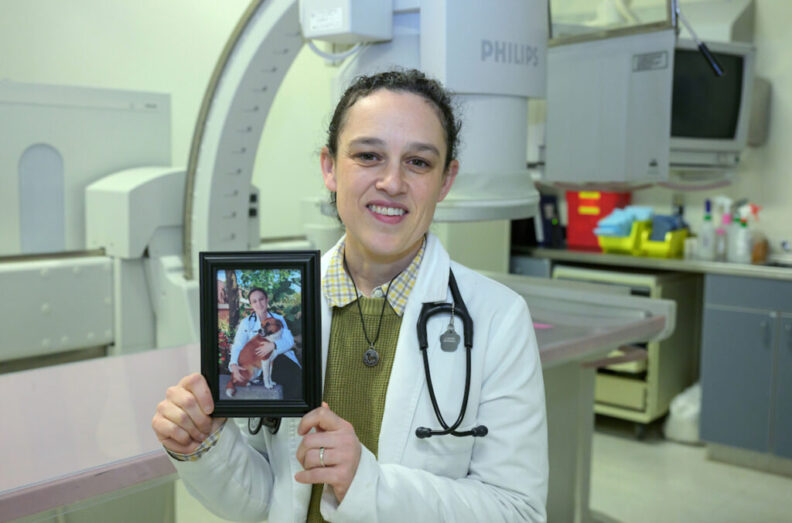
WSU veterinarian offers hope for dogs with megaesophagus
Inspired by her former dog Cake, WSU veterinarian Jillian Haines has become a global leader in transforming care for pets with the once-hopeless condition megaesophagus.
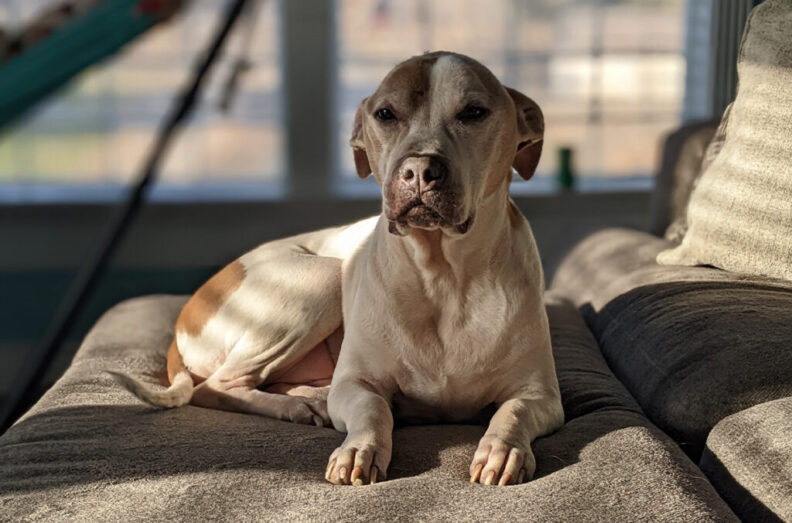
Pit bull overcomes life-threatening illness thanks to WSU veterinarians
A year after a life-threatening health crisis, 10‑year‑old pit bull Thorton is thriving thanks to the expert care he received at the university’s Veterinary Teaching Hospital.
Health Topics
- Gastric dilation and volvulus (GDV) and bloat in dogs Gastric dilation and volvulus (GDV), commonly referred to as bloat, is a life-threatening condition in which a dog’s stomach fills with gas, and in many cases, twists.
- Diabetes Mellitus Diabetes mellitus occurs due to an animal’s inability to produce enough insulin and/or use it properly. Insulin is a hormone that efficiently breaks down sugars, fats, and proteins, including the sugar glucose. Without insulin managing glucose levels, sugar accumulates in the blood and spills into the urine and can result in serious health conditions. Pets […]
- Viagra promising as treatment for dogs with often fatal eating disorder Sildenafil, the generic version of the drug known as Viagra, could be the long-awaited remedy for a group of dogs with a rare disorder called megaesophagus.
- Hyperthyroidism in cats What is hyperthyroidism? Hyperthyroidism is the overproduction of thyroid hormone by the thyroid glands. Cats have two thyroid glands located in their neck. One or, more commonly, both glands can enlarge and overproduce thyroid hormone. The average age of cats with hyperthyroidism is 13; only about 5% of hyperthyroid cats are younger than 10. What […]
- Understanding your pet’s lab tests Blood and urine tests can help your veterinarian get crucial information about the health of your pet. Blood tests are often performed as a biochemistry profile, or chemistry panel, which is a collection of blood tests to screen several organs at one time. Some blood tests are very specific for a single organ, whereas other […]
Clinical Studies
Any current clinical studies for this service will be listed below.
- Use of Nonsteroidal anti-inflammatory drugs in healthy cats under anesthesia and the evaluation of kidney function Kidney disease is a progressive condition that is often difficult to detect in its early stages. This study aims to identify early markers of kidney changes in cats undergoing anesthesia using small samples of blood, urine, or saliva.
- Assessment of the intestinal epithelial barrier of dogs with inflammatory bowel disease using an organoid model Progress toward more effective treatments for IBD
- Canine intestinal modeling project Intestinal biopsies from dogs for organoid development

Grateful Client Giving
Honor your pet’s caregiver
“This is a place of miracles.”
-Anne Hensley, veterinary hospital client