Cats & Dogs
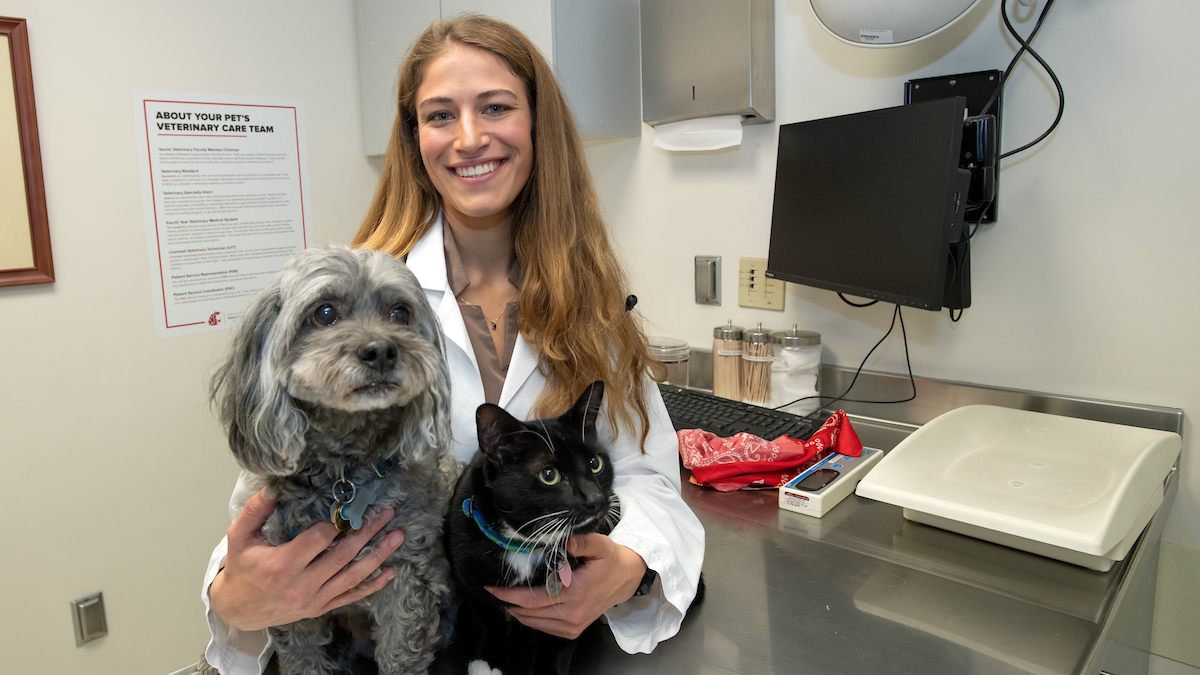
Our team is ready to care for your dog or cat through all stages of its life and for any condition, whether you just welcomed a kitten or a puppy into your home and are looking to establish regular primary care, or you were referred to us by your veterinarian for specialized care.
Primary veterinary care
Our hospital’s Community Practice team can provide all the routine, wellness, and preventative care you would expect at a veterinary office. Whether your pet is due for its yearly checkup and vaccinations or it isn’t feeling well, our Community Practice veterinarians and staff are ready to provide the best possible care.
If your pet has a more complicated illness or a health crisis, our team of hospital experts and specialists also offer advanced treatment options for conditions ranging from orthopedic injuries to heart problems, neurological issues, and cancer.
Advanced veterinary care
When your pet needs specialized care, our board-certified veterinary specialists are here to offer the best advanced treatment. To learn more about each of our specialty services, please click on the individual services below.
- Cardiology– When your pet is suffering from a heart complication, you need the best care. Our veterinary cardiologists can diagnose, monitor, and manage the most complex of heart conditions.
- Emergency & Critical Care – Emergencies are impossible to predict, but when they do strike, you can be confident that our team will be ready to provide the highest levels of care for your pet, 24 hours a day.
- Integrative Medicine – Our team has specialized training in canine rehabilitation and sports medicine, acupuncture, and Chinese therapies.
- Internal Medicine – Our veterinary internists specialize in diagnosing and treating a broad range of conditions affecting internal organs, including the kidneys, liver, gastrointestinal tract, endocrine glands, and lungs. (veterinarian referral required)
- Neurology – When your pet has a brain, spinal cord, or neuromuscular condition, having a skilled and experienced team like ours is critical. Our neurologists work with our other specialists and staff to provide unmatched care. (veterinarian referral required)
- Oncology – Using advanced diagnostic services, innovative treatment, and compassionate care, our oncologists and other specialists can quickly provide a diagnosis and treatment options for your pet.
- Orthopedics & Sports Medicine Surgery – Our board-certified orthopedic specialists are dedicated to diagnosing and treating conditions related to bones and joints with the most advanced techniques available. (veterinarian referral required)
- Soft Tissue Surgery – Our surgeons, all of whom are board-certified by the American College of Veterinary Surgeons, provide a full range of soft tissue surgical procedures for dogs and cats. (veterinarian referral preferred)
- Theriogenology – Our team is specialized in veterinary reproductive medicine and surgery. As one of just a handful of veterinary facilities in the Pacific Northwest that specializes in the field, we are dedicated to improving dogs and cats genetics by preserving their breed standard and their overall general health.
MDR1 Genetic Testing
Did you know that certain breeds of dogs and cats have a genetic predisposition that causes adverse reactions to commonly used medications? Collies, Australian shepherds, and long-haired whippets are some of the most commonly affected breeds of dogs. Thankfully, researchers at WSU have discovered the cause and developed a test that can tell you if your pet has the MDR1 gene mutation.
Blood Bank
Every year we save the lives of more than 100 cats and dogs thanks to our on-site blood bank and the pet volunteers who donate blood. Give your dog or cat a chance to be someone’s hero.
Hospital Stories
Cats
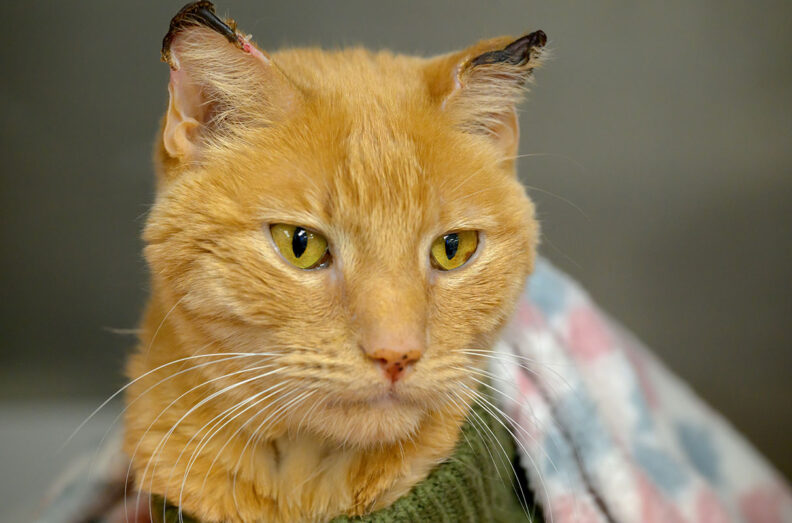
After 27 days missing, veterinary student’s cat finds healing at WSU
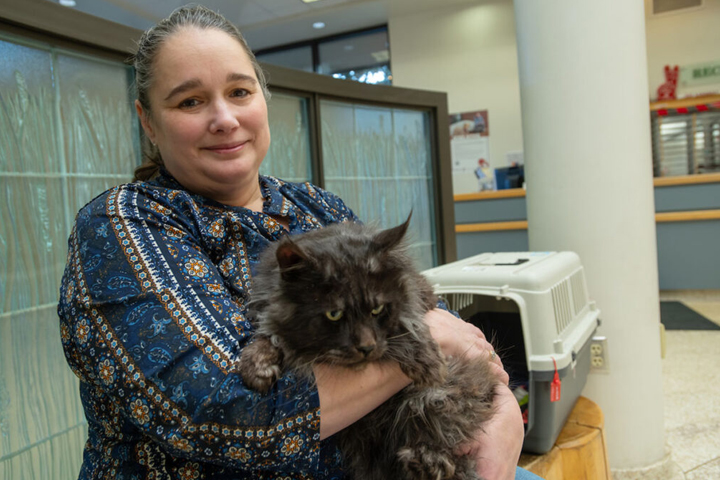
New reproductive service preserves cat genetics for years to come
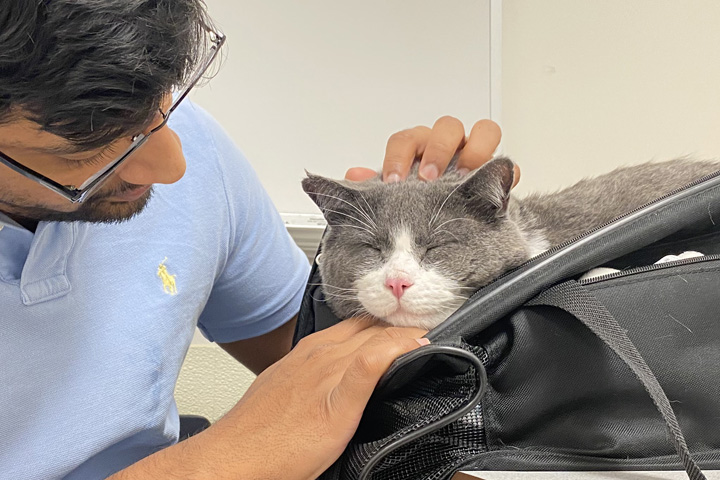
Momo – a giant cat – to grow no more
Dogs
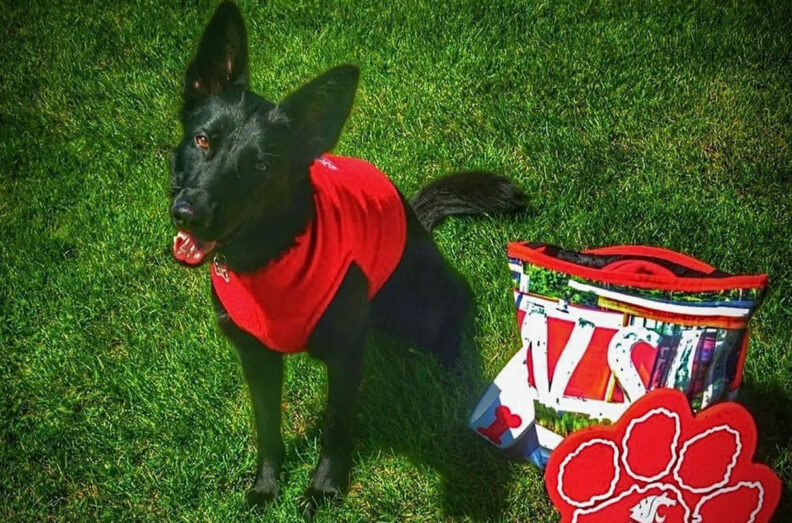
WSU veterinarians restore dog’s heart, give owner more time with best friend
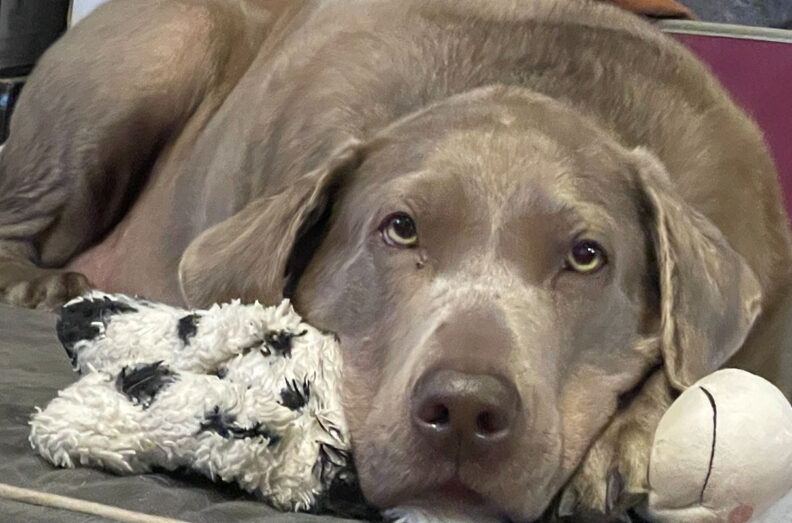
Canine cancer survivor may help children next
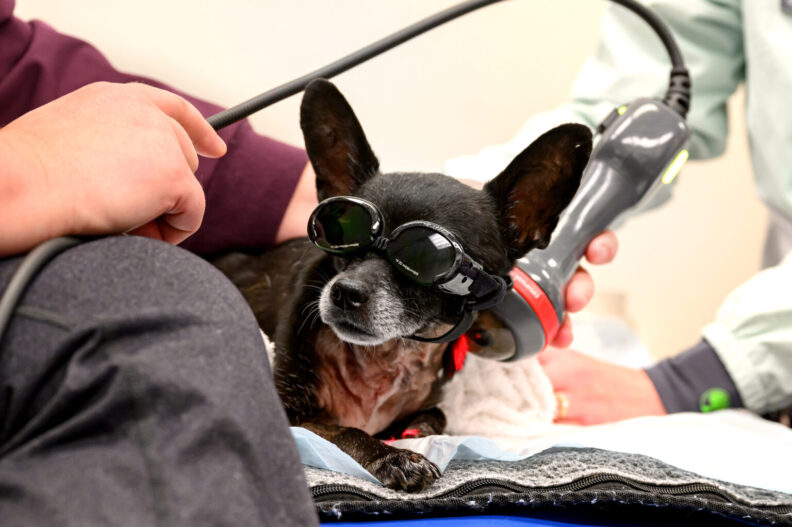
Rehab isn’t just for humans
Health Topics
Cats
- Feline panleukopenia virus (FPV) in cats Feline panleukopenia virus (FPV) is a highly contagious viral infection that affects cats. While rare in fully vaccinated pet cats, FPV remains a serious concern in shelters and multi-cat environments, where many cats are unvaccinated or recently rescued.
- Holiday health hazards for pets As you begin to pull down the holiday decorations from the attic and stock up on holiday treats, keep in mind some of those items may be dangerous for your pets. Below are some common health hazards for pets during the holidays: Tinsel, ribbon, and other pretty things Ribbons, wrapping paper, ornaments, tinsel, extension cords, […]
- Keep your pets safe this Thanksgiving Thanksgiving is a time for family, food, and celebration — and it’s tempting to slip a little turkey or stuffing to your furry friends. But even during the season of gratitude, sharing from your plate can be risky. Every year, veterinarians see a spike in visits from pets that have indulged in Thanksgiving treats that don’t agree with them.
Dogs
- Chocolate toxicity in dogs Chocolate toxicity is one of the most common causes of poisoning in dogs. If your dog eats chocolate, it can lead to vomiting, restlessness, abnormal heart rhythms, seizures, or even death in severe cases.
- How to clip a dog’s nails While most dogs do not like having their nails trimmed, with some patience it is a task you can complete at home. It’s best to start trimming nails in young dogs so that they get used to the process. How do you safely clip a dog’s nails? Some dogs will happily sit in your lap […]
- Boutique diets and heart disease Recent studies suggest dogs may process boutique diets differently.
Clinical Studies
- Use of Nonsteroidal anti-inflammatory drugs in healthy cats under anesthesia and the evaluation of kidney function Kidney disease is a progressive condition that is often difficult to detect in its early stages. This study aims to identify early markers of kidney changes in cats undergoing anesthesia using small samples of blood, urine, or saliva.
- Testing the effectiveness and tolerance of local immunotherapy on soft tissue sarcomas in dogs Testing the effectiveness and tolerance of local immunotherapy on soft tissue sarcomas in dogs.
- Assessment of the intestinal epithelial barrier of dogs with inflammatory bowel disease using an organoid model Progress toward more effective treatments for IBD
- Dog aging project TRIAD study Trial of Rapamycin in Aging Dogs
- Canine intestinal modeling project Intestinal biopsies from dogs for organoid development