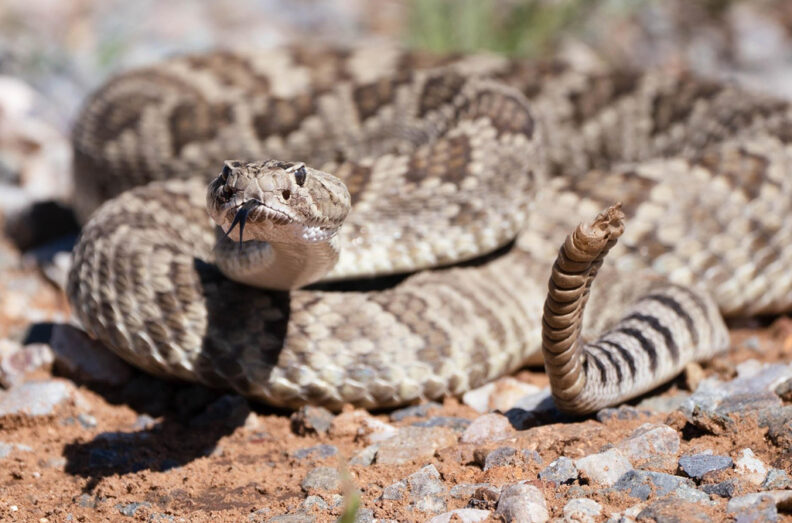
What are pit vipers, and why are they a concern for dogs?
Pit vipers, which include rattlesnakes, copperheads, and water moccasins, are the largest group of venomous snakes in the U.S. Rattlesnakes account for about 99% of all venomous bites in pets. Bites from these snakes require emergency medical care as their venom causes severe pain, swelling, and potentially life-threatening complications.
Each year, approximately 150,000 dogs in the U.S. are bitten by venomous snakes. Bites tend to be more common in the warmer months and in areas where dogs roam outdoors.
What is the overall prognosis for dogs bitten by rattlesnakes?
With prompt treatment, most dogs survive rattlesnake bites. The prognosis depends on factors like the amount of venom injected, the bite location, and the time before treatment. Early intervention and close monitoring give dogs the best chance of recovery.
What should I do if my dog is bitten by a rattlesnake?
- Keep your dog calm and immobilized to slow venom spread.
- Take your dog to the nearest veterinary hospital immediately; time is critical.
- Avoid using ice, tranquilizers, or corticosteroids, as these can worsen the effects of the venom.
How can I identify a rattlesnake?
Rattlesnakes have:
- A distinctive rattle on their tails.
- A broad, triangular head.
- Elliptical (slit-like) pupils.
- A facial pit between the eye and nostril, which helps them sense heat.
These snakes are most active from April to September, especially during warm months.
What symptoms will my dog show after a rattlesnake bite?
Common signs include:
- Swelling and bruising at the bite site.
- Pain, drooling, and weakness.
- Severe cases may cause difficulty breathing, abnormal heart rate, or paralysis.
Laboratory tests in the clinic may reveal issues like low platelet count, blood clotting problems, or low potassium levels.
How are rattlesnake bites treated?
Treatment is based on the severity of the bite and may include:
- Intravenous fluids to stabilize blood pressure.
- Pain management with medications like opioids.
- Antivenin, which helps counteract venom effects and is the only proven treatment for reducing symptoms.
- Wound care to address any skin damage and potential infection. In severe cases, skin grafts may be necessary.
What is antivenin and is it safe?
Antivenin is a treatment that targets venom in the blood and reduces symptoms like pain, clotting issues, and tissue damage. While generally safe, rare allergic reactions can occur, so veterinarians may give antihistamines beforehand as a precaution.
Although uncommon, side effects can include:
- Allergic reactions like itching, nausea, or redness.
- Severe cases may involve anaphylaxis, which can cause vomiting, fever, or salivation. Veterinary teams are trained to manage these reactions if they occur.
Are there ways to prevent rattlesnake bites in my dog?
Yes, prevention is the best approach:
- Leash walk your dog and avoid high-risk areas like dense brush or rocky areas.
- Keep your dog close to you on a short leash, especially when walking in unfamiliar outdoor areas.
- Consider rattlesnake aversion training with a professional trainer.
Is there a rattlesnake vaccine for dogs?
A rattlesnake vaccine exists, but studies show mixed results regarding its effectiveness. The vaccine aims to reduce the severity of symptoms, not prevent them entirely. Even vaccinated dogs should still receive immediate medical attention if bitten.
Does the size or age of the dog affect the severity of the bite?
Yes, smaller dogs are at higher risk due to their lower body mass, which means the venom concentration in their system is higher. Additionally, bite location matters; bites on the face and neck can be more dangerous than those on limbs.
This information is not meant to be a substitute for veterinary care. Always follow the instructions provided by your veterinarian. Washington State University assumes no liability for injury to you or your pet incurred by following these descriptions or procedures.
Acknowledgment:
This FAQ was developed using information from a senior paper authored by Nate Weaver (DVM ’25) titled Rattlesnake Bite Treatment and Prevention in Canines, submitted on May 30, 2024, under the guidance of Dr. Jeff Abbott.