SMALL ANIMAL VETERINARY CARE
Neurology & Neurosurgery
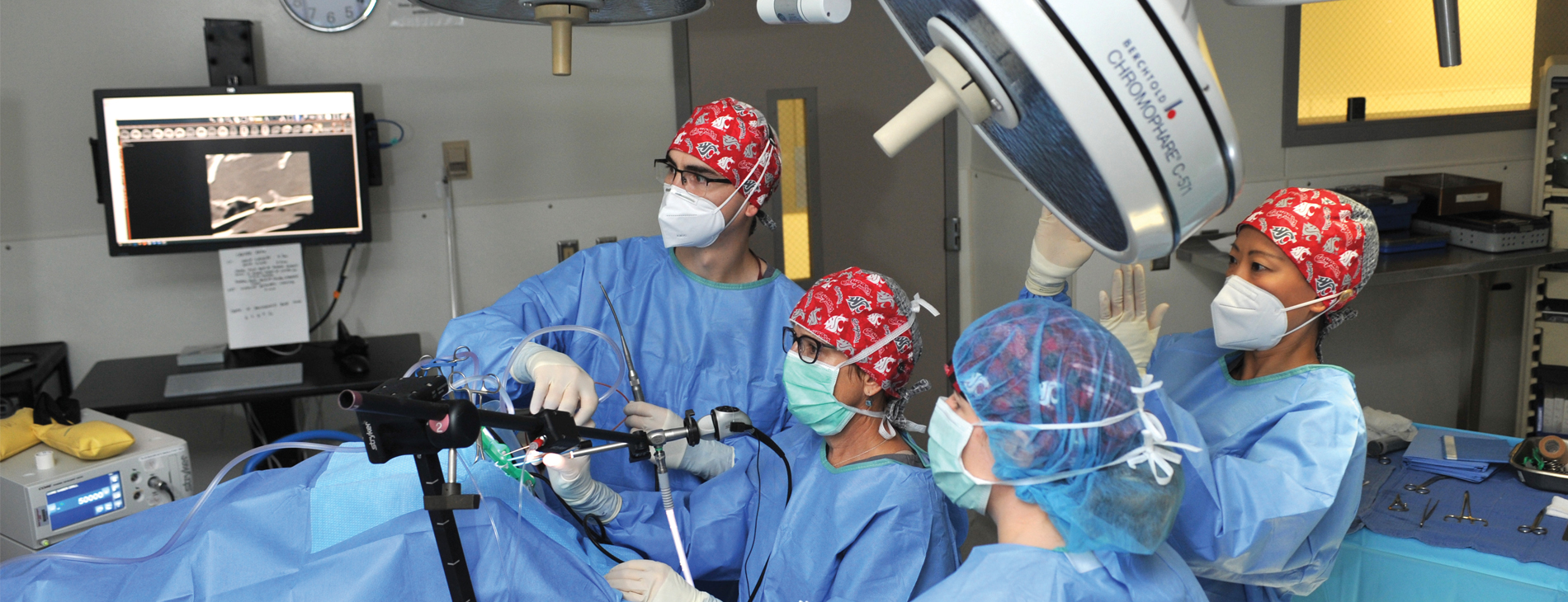
Advanced diagnosis and treatment for brain, spinal cord, and other neuromuscular conditions
Neurology & Neurosurgery
Common conditions we evaluate and treat
- Brain tumors
- Epilepsy and movement disorders
- Inflammatory diseases of the brain and spinal cord
- Intervertebral disk disease
- Spinal fracture
- Spinal tumors
- Congenital malformations
- Peripheral neuropathy and myopathy
- Vascular accidents and strokes
Health care and diagnostic services we offer
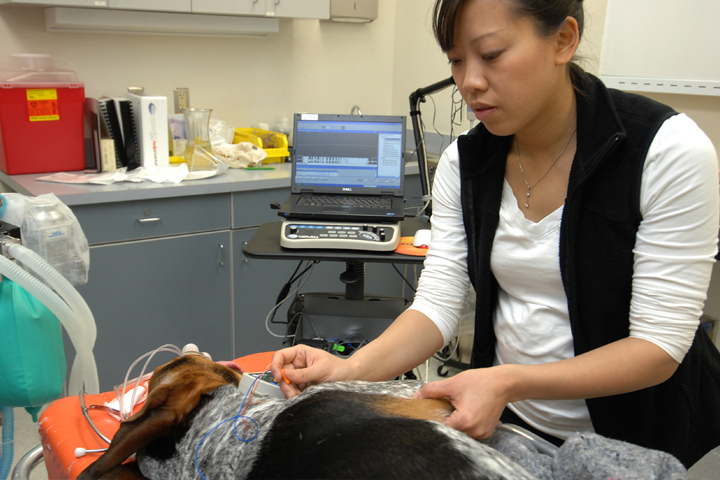
- MRI and CT imaging of the brain and spinal cord
- Evaluation of muscle and nerve function
- Cerebrospinal fluid analysis
- Electroencephalogram for the diagnosis of seizures
- Neurosurgery
Hospital Stories

Meet the Veterinary Teaching Hospital team: Connie Fraser
Connie Fraser is a veterinary technician in the neurology service at WSU’s Veterinary Teaching Hospital.
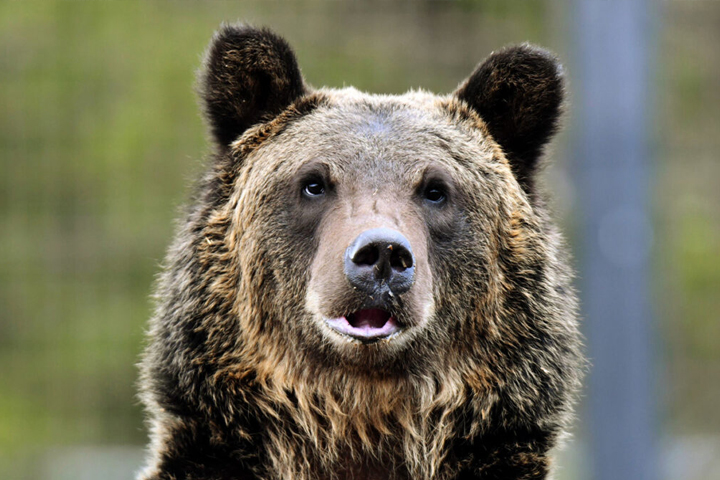
WSU partners with sanctuary to diagnose grizzly bear
Thousands of animals come through the doors of WSU’s Veterinary Teaching Hospital every year, but it is rare when one of those animals is a 400-plus-pound grizzly bear.
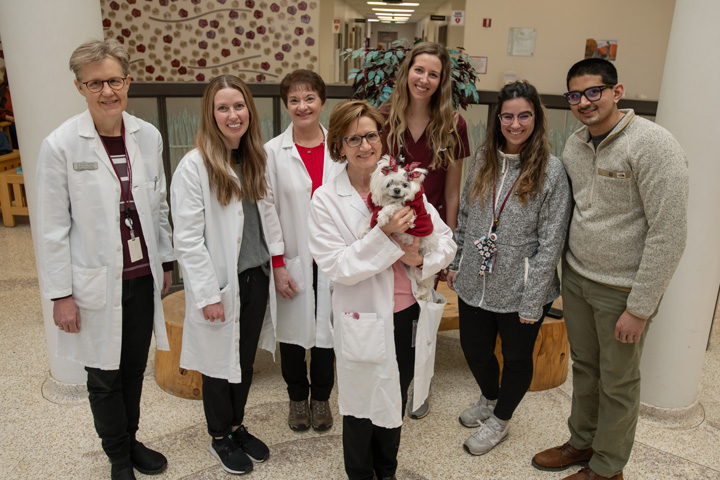
Saving Mille: WSU veterinarians cure Maltese of Cushing’s
WSU veterinarians cure 8-year-old dog of Cushing’s disease by performing life-saving brain surgery.
Health Topics
- Ticks In the Pacific Northwest, ticks are most prevalent during the spring and summer.
- Nervous System The nervous system includes the brain, spinal cord and all the nerves that communicate between tissues and the brain and spinal cord. The pictures above are reprinted with permission by the copyright owner, Hill’s Pet Nutrition, from the Atlas of Veterinary Clinical Anatomy. These illustrations should not be downloaded, printed, or copied except for personal, non-commercial use.
- Common spinal injuries in dogs What are the most common spinal injuries in dogs? Two of the most common spinal injuries in dogs are fibrocartilaginous embolism (FCE) and acute non-progressive nucleus pulposus extrusion. Both conditions cause temporary paralysis and weakness, particularly in the hind legs. The disorders are mainly seen in large breed dogs but can occur in miniature schnauzers […]
- Lyme Disease Infected ticks must feed for about 24 hours to transmit the bacteria to a susceptible animal, so quick removal of ticks from your pet reduces the chance of infection.
- Seizures What should I do if my dog or cat is having a seizure? If your pet is having a seizure, remain calm. Note the time the seizure started and how long it lasted, as this information could be helpful to your veterinarian. To prevent your animal from hurting itself, attempt to move it away from […]
Clinical Studies
Any current clinical studies for this service will be listed below.

Grateful Client Giving
Honor your pet’s caregiver
“This is a place of miracles.”
-Anne Hensley, veterinary hospital client