Emergency & Critical Care
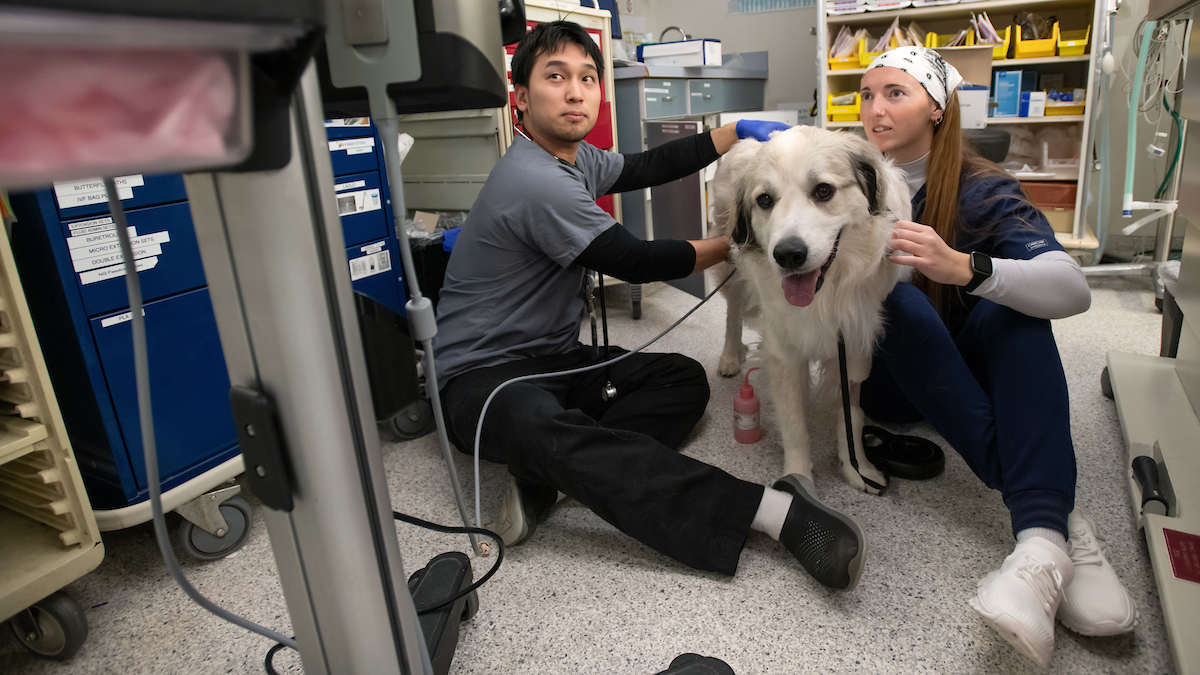
When it is an emergency, our team is there for you and your pets. We are available 24 hours a day, 7 days a week. Our board-certified veterinarians, residents and interns, and critical care technicians in the Lou Woodworth and Heidi Charleson Emergency & Critical Care Services are ready to handle any medical situation and are dedicated to providing the best care for your animal.
Our services include
- Emergent care and stabilization for trauma
- Acute management of toxicities
- Intensive care for pets with acute and critical illness
- Blood transfusion therapy
- Electrolyte and acid base therapy
- Oxygen therapy, respiratory support, and mechanical ventilation
- Critical care and cardiac monitoring
- Cardiopulmonary resuscitation and defibrillation
Overnight care information
During overnight hours, patients arriving at our front door will be assessed and triaged. Pets with life-threatening conditions will receive immediate stabilization. Wait times may be longer and full diagnostics may be delayed until our emergency service fully reopens in the morning.
If your pet is stable, we may recommend:
- Returning during daytime hours
- Following up with your primary care veterinarian in the morning
We appreciate your understanding as we prioritize the most critical patients overnight. Thank you for trusting WSU with your pet’s emergency.
Veterinary hospital stories
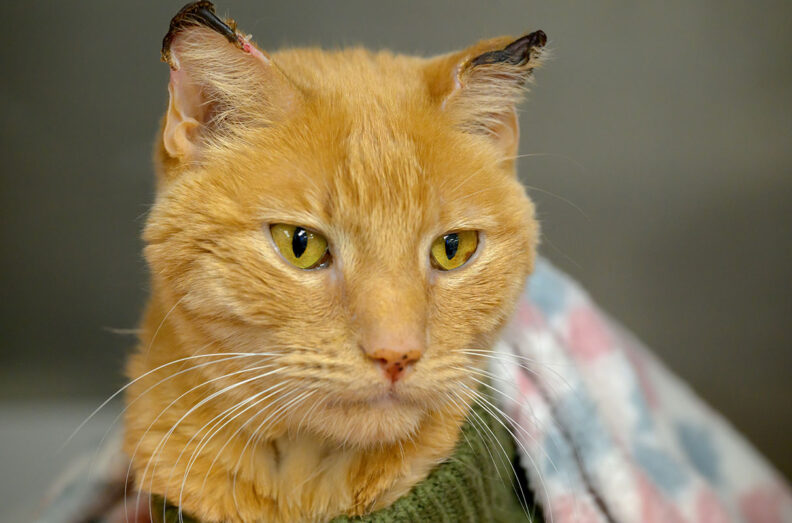
After 27 days missing, veterinary student’s cat finds healing at WSU

WSU veterinarians get creative to bring cannabis-eating ferret back to health
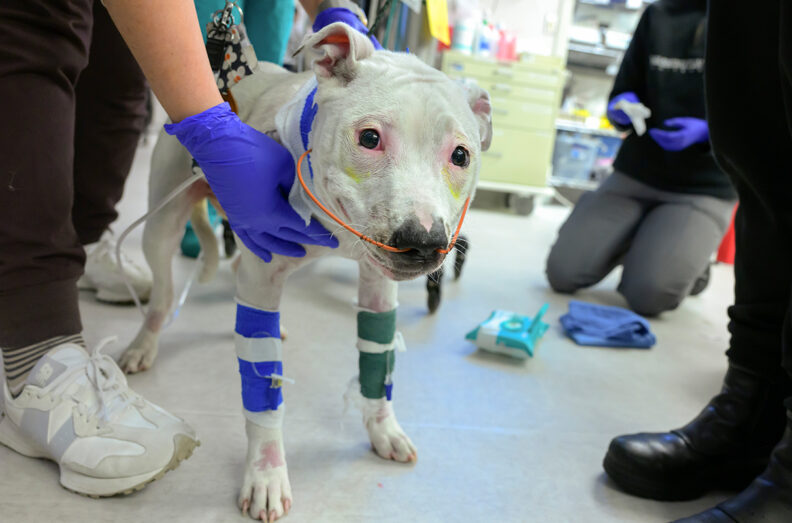
WSU’s Veterinary Teaching Hospital receives $10 million gift
Health Topics
- Blue-green Algae (Cyanobacteria) Blooms occur in bodies of fresh water and exposure can be deadly to animals.
- WSU veterinarians: Marijuana is not pet-friendly It’s April 20th — a day associated with cannabis-oriented celebrations in the U.S. — and Washington State University veterinarians are providing some tips to pet owners to keep their animals safe.
- Rodent poison: A deadly ‘treat’ for dogs like Carlitos Cholecalciferol, or activated vitamin D3, can cause kidney failure and death.
Clinical Studies
Any current clinical studies for this service will be listed below.
Your gift supports emergency & critical care for all animals in our hospital.
Questions about giving? Contact Kay Glaser or 509-335-4835.