VETERINARY CARE
Small Animal
Comprehensive care for your cat, dog, or exotic pet
Small Animal
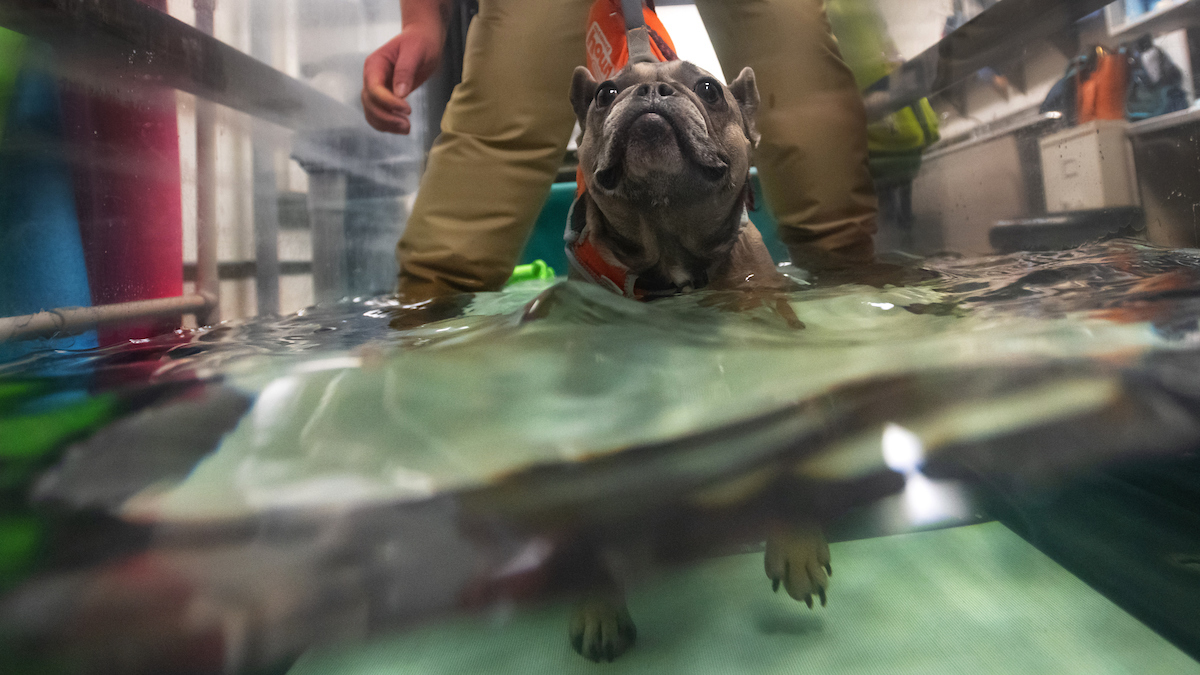
Our team of board-certified veterinarians, specialists, interns, residents, veterinary technicians, and fourth-year students are committed to treating our clients and patients with respect and compassion and working directly with you to develop just the right care plan for your pet. Simply put, we believe in treating each animal as if it were our own.
In addition to our experienced and highly trained team, our facilities are equipped with state-of-the-art technology and diagnostic services, allowing us to handle any situation, ranging from primary health care to those requiring intensive, 24-hour-a-day specialized care.
Hospital Stories
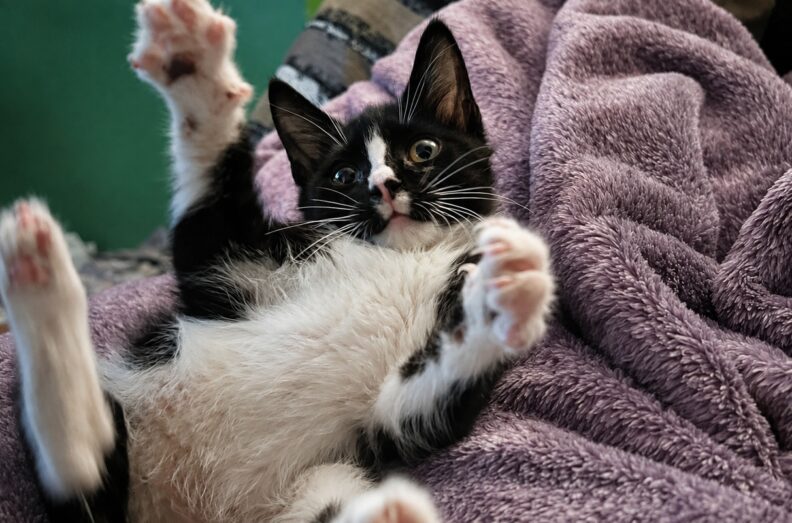
Spokane cat’s rare diagnosis leads to lifesaving care at WSU
A Spokane cat with a rare congenital liver defect is thriving after receiving specialized surgery and financial assistance through WSU’s Veterinary Teaching Hospital.
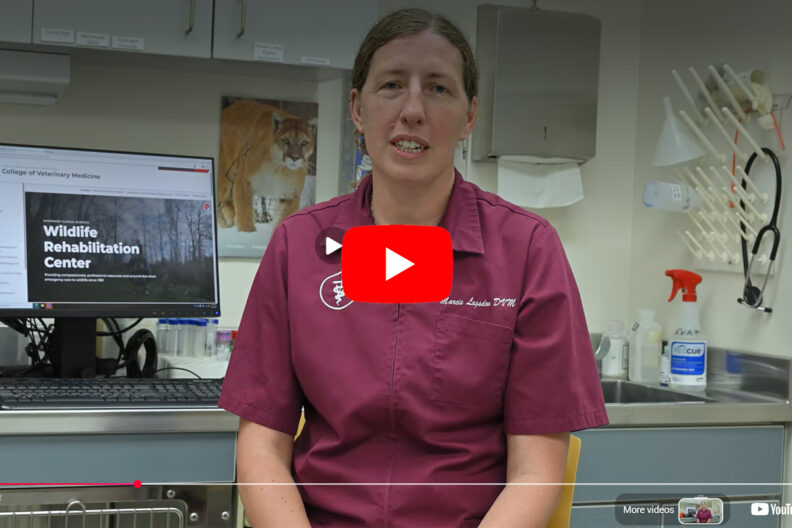
Jimothy’s internet fame serves as reminder to give wildlife space
Behind the growing social media fan base is a remarkable story of wildlife adaptation and acceptance.
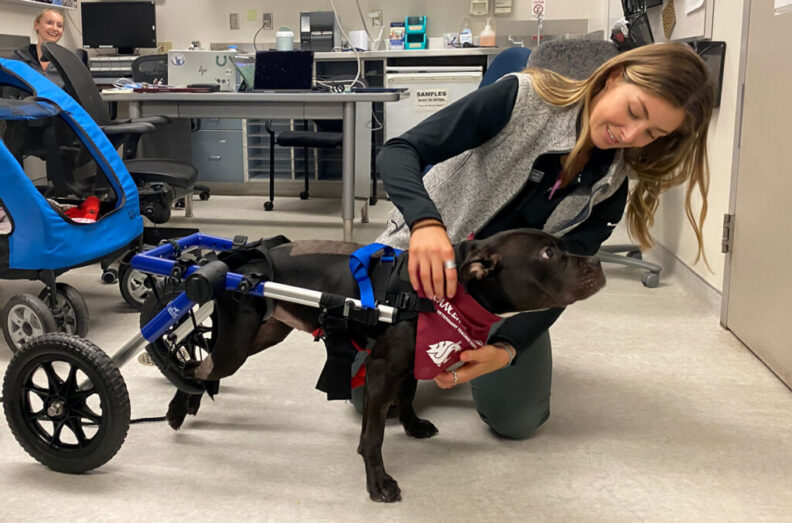
Winnie on wheels keeps rolling after lifesaving cancer treatment at WSU
An 8-month-old puppy named Winnie is back home with her family in Spokane after undergoing surgery and completing 20 radiation treatments for a rare spinal tumor at Washington State University’s Veterinary Teaching Hospital.
Health Topics
- Rattlesnake bite treatment and prevention for dogs This FAQ was developed using information from a senior paper authored by Nate Weaver (DVM ’25) titled Rattlesnake Bite Treatment and Prevention in Canines, submitted on May 30, 2024, under the guidance of Dr. Jeff Abbott.
- Bearded dragon husbandry Proper husbandry is the foundation of a healthy pet bearded dragon. Many of the medical problems veterinarians see — including weak legs, soft jaws, yellow fungus disease, and poor growth — are caused by incorrect diet, lighting, temperature, or enclosure setup.
- Feline panleukopenia virus (FPV) in cats Feline panleukopenia virus (FPV) is a highly contagious viral infection that affects cats. While rare in fully vaccinated pet cats, FPV remains a serious concern in shelters and multi-cat environments, where many cats are unvaccinated or recently rescued.
Your gift supports care for all small animals in our hospital.
Questions about giving? Contact our development team.