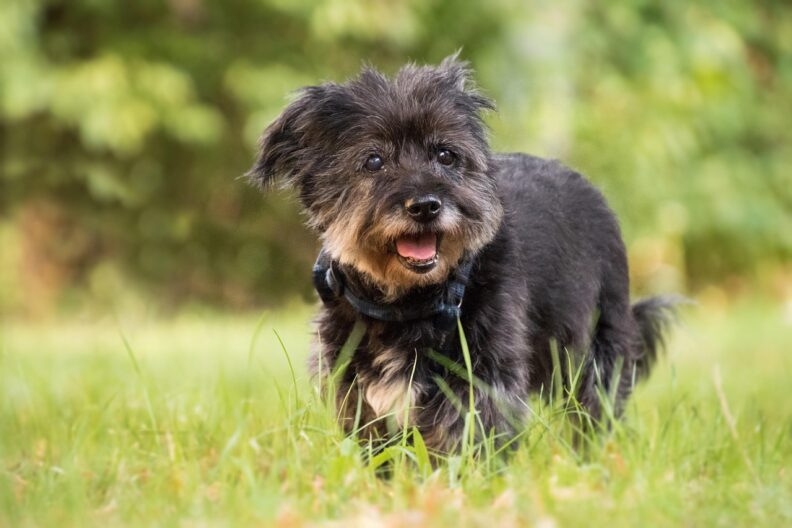
Acupuncture is a safe, drug-free therapy that can help manage chronic pain in dogs. It is commonly used as part of a multimodal treatment plan for conditions like arthritis, hip dysplasia, and back pain. Many dogs experience improved mobility, reduced discomfort, and a better quality of life with regular acupuncture treatments.
At the Integrative Medicine service at the WSU Veterinary Teaching Hospital, acupuncture is offered alongside conventional treatments to provide comprehensive pain management for dogs. This collaborative approach allows patients to benefit from both traditional veterinary care and complementary therapies tailored to their individual needs.
What is acupuncture for dogs?
Acupuncture for dogs involves placing very thin, sterile needles into specific points on the body to help relieve pain and promote healing.
Veterinary acupuncture may include:
- Dry needling (manual needle placement)
- Electroacupuncture (gentle electrical stimulation through needles)
- Aquapuncture (injection of small amounts of fluid into acupuncture points)
- Moxibustion (heat therapy applied to acupuncture points)
While acupuncture originated in traditional Chinese veterinary medicine, modern research shows it can stimulate nerves, increase blood flow, and trigger the release of the body’s natural pain-relieving chemicals.
Can acupuncture help dogs with arthritis?
Yes. Acupuncture is commonly used to help dogs with:
- Osteoarthritis
- Degenerative joint disease
- Hip dysplasia
Studies show many dogs experience:
- Improved mobility
- Reduced stiffness
- Lower pain scores reported by owners
- Improved overall comfort
Some dogs are able to reduce their reliance on pain medications when acupuncture is used as part of a broader treatment plan.
Does acupuncture work for dogs with back pain or IVDD?
Acupuncture may help dogs with back pain, including intervertebral disc disease (IVDD).
Research suggests acupuncture can:
- Help reduce inflammation
- Improve nerve function
- Support recovery after spinal injury
- Improve comfort in chronic cases
In some dogs, acupuncture is used alongside surgery or medical management to support recovery and long-term pain control.
How does acupuncture relieve pain in dogs?
Acupuncture works at several levels in the body:
At the treatment site:
- Increases blood flow
- Promotes mild healing responses
- Triggers release of endorphins (natural pain relievers)
In the spinal cord:
- Reduces transmission of pain signals
- Modulates inflammatory pathways
In the brain:
- Activates natural pain control centers
- Helps reduce chronic pain sensitization
Electroacupuncture may enhance these pain-relieving effects in some cases.
Is acupuncture safe for dogs?
Acupuncture is generally very safe when performed by a veterinarian trained in veterinary acupuncture.
Most dogs tolerate treatment well. Side effects are typically mild and may include:
- Temporary soreness
- Mild fatigue after treatment
- Rare bruising at needle sites
Serious complications are uncommon.
How many acupuncture treatments does my dog need?
Treatment frequency depends on your dog’s condition and severity of pain.
A typical plan may include:
- Weekly sessions for several weeks
- Gradual spacing to every 2–4 weeks for maintenance
Some dogs show improvement after one or two sessions, while others require multiple treatments before noticeable changes occur.
Is acupuncture used alone or with other treatments?
Acupuncture is most effective when used as part of a multimodal pain management plan. This may include:
- Anti-inflammatory medications
- Joint supplements
- Physical rehabilitation
- Weight management
- Therapeutic laser
Your veterinarian will help determine the best combination of therapies for your dog.
Acknowledgment
This FAQ was developed using information from the senior paper of Clarice Forbes (’25 DVM), “Acupuncture for Chronic Pain in Dogs,” submitted November 14, 2024. Advisor: Dr. Jessica Bunch.
This content has been reviewed by faculty at the Washington State University College of Veterinary Medicine. It is intended for educational purposes only and is not a substitute for professional veterinary advice, diagnosis, or treatment. Always consult your veterinarian regarding your pet’s specific medical condition.