What is GDV?
Gastric dilation and volvulus (GDV), commonly referred to as bloat, is a life-threatening condition in which a dog’s stomach fills with gas, and in many cases, twists. This twisting prevents gas from escaping, cuts off blood flow, and can lead to shock, organ damage, or death if not treated immediately.
What causes GDV?
The exact cause of GDV is not fully understood. Several factors, however, increase the risk, including genetics, body structure and condition (dogs with increased body weight and lower body condition are at increased risk), eating habits, stress, and age. Deep-chested and large/giant breed dogs are particularly susceptible.
Which breeds are at higher risk?
Breeds known to be at increased risk include:
- Great Danes
- German shepherds
- Standard poodles
- Weimaraners
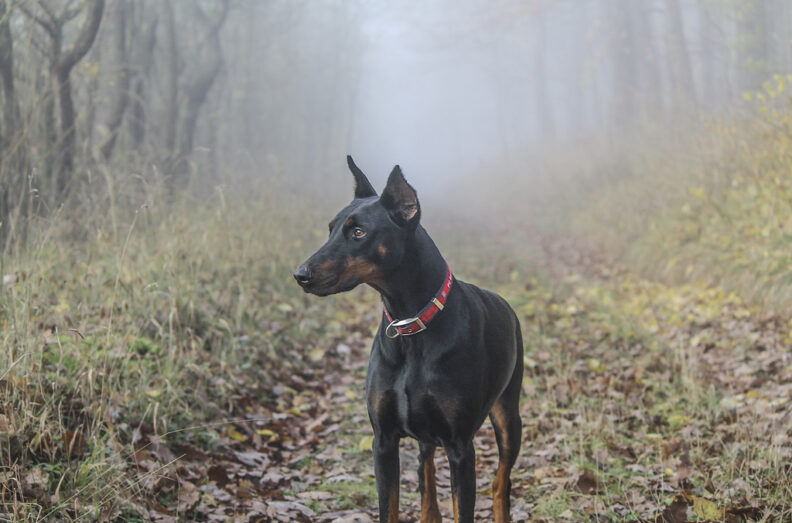
- Doberman pinschers
- Other large and giant breeds may also be at risk.
What are the signs of GDV?
Recognizing GDV early is crucial. Common signs include:
- Non-productive retching or gagging
- Restlessness or anxious behavior
- A distended or bloated abdomen
- Drooling
- Pacing or looking at their stomach
- Difficulty breathing
If you notice any of these symptoms, seek immediate veterinary care, as time is critical.
Can GDV be prevented?
While GDV cannot be entirely prevented, there are steps you can take to reduce the risk:
- Feed your dog smaller, more frequent meals instead of one large meal.
- Avoid using elevated feeding bowls.
- Slow down fast eaters by using puzzle feeders or placing objects (like a ball) in their bowl.
- Limit heavy exercise immediately before or after meals.
- Consider prophylactic surgery (gastropexy) for high-risk dogs. This surgery tacks the stomach to the body wall, reducing the risk of twisting.
Is gastropexy a guaranteed prevention method?
Gastropexy greatly reduces the risk of the stomach twisting, though it does not prevent bloat itself. It is especially recommended for high-risk breeds and can be done during routine procedures, such as spaying or neutering.
What should I do if I suspect my dog has GDV?
GDV is an emergency. If you suspect your dog has GDV, take it to the nearest veterinary clinic or emergency hospital immediately. The faster treatment begins, the better the chances of survival.
How is GDV treated?
Treatment for GDV typically involves emergency surgery to untwist the stomach and possibly perform a gastropexy to prevent future occurrences. Immediate veterinary care may include stomach decompression, fluid therapy, and stabilization before surgery.
Is GDV surgery expensive?
Yes, the surgery and associated care for GDV can be expensive due to the emergency nature and complexity of the procedure. Prophylactic gastropexy, done before GDV occurs, is less costly than emergency treatment.
Can GDV reoccur after surgery?
If a gastropexy is performed, the risk of recurrence is greatly reduced. Without this preventative surgery, however, the risk of recurrence is high, with up to 80% of dogs experiencing GDV again.
How can diet impact the risk of GDV?
Certain feeding practices can influence the risk of GDV:
- Feed kibble with larger particles (over 30mm) to reduce risk.
- Avoid foods where oils or fats are among the first ingredients, as these can slow stomach emptying.
- Ensure your dog does not ingest foreign objects, as these can increase the risk of GDV.
Does age increase the risk of GDV?
Yes, older dogs are more likely to develop GDV. Dogs between the ages of 9 and 12 are particularly at risk, with the chances increasing by about 20% each year.
Is GDV always fatal?
Without treatment, GDV is likely fatal. With prompt emergency surgery, many dogs survive. The sooner a dog receives medical intervention, the better the outcome.
This FAQ on GDV and bloat was developed using information from a paper authored by Cole D. Godfrey (’25), titled “Prevention and Early Recognition of Gastrointestinal Dilation and Volvulus in Dogs,” submitted as a senior paper on Aug. 1, 2024, under the guidance of Dr. Cassidy Cordon.
This information is not meant to be a substitute for veterinary care. Always follow the instructions provided by your veterinarian. Washington State University assumes no liability for injury to you or your pet incurred by following these descriptions or procedures.