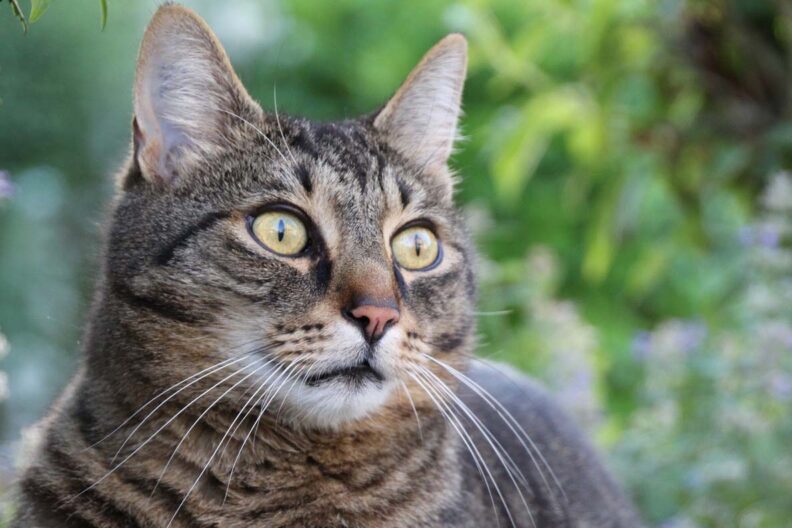
Feline asthma is a chronic respiratory disease that causes inflammation and narrowing of a cat’s airways. The condition is believed to be triggered by an allergic reaction to substances in the environment, such as dust, pollen, mold, smoke, or other airborne irritants, but many cases are idiopathic, meaning we do not know the cause. Over time, this inflammation can make it more difficult for cats to breathe.
How common is feline asthma?
Feline asthma is one of the most common respiratory diseases seen in cats and is estimated to affect 1% to 5% of the feline population. It is most often diagnosed in young to middle-aged cats, although cats of any age can develop the condition.
What are the signs of feline asthma?
Cats with asthma may show:
- Coughing
- Wheezing
- Rapid breathing
- Increased effort when breathing
- Open-mouth breathing
- Episodes of respiratory distress
Some cats experience mild, occasional symptoms, while others can have severe asthma attacks that require emergency treatment.
Why does my cat look like it’s trying to cough up a hairball?
Asthmatic coughing is often mistaken for a hairball. During a coughing episode, cats may crouch low to the ground with their neck extended and elbows held away from their body. Unlike a hairball episode, no hairball is produced.
If possible, record a video of the episode to share with your veterinarian. Videos can be very helpful in making a diagnosis.
What causes feline asthma?
Feline asthma is believed to result from an allergic response within the airways. When a susceptible cat inhales certain allergens, the immune system reacts by causing inflammation, mucus production, and narrowing of the airways.
Potential triggers include:
- Dust and dust mites
- Mold spores
- Pollen
- Smoke
- Aerosol sprays
- Scented candles and air fresheners
- Litter dust
Individual triggers can vary from cat to cat.
How is feline asthma diagnosed?
There is no single test that definitively diagnoses feline asthma. Veterinarians typically rely on a combination of:
- Medical history
- Physical examination
- Chest radiographs (X-rays)
- Airway sampling in some cases
Additional testing may be needed to rule out other diseases that can cause similar signs. Lab work can help to identify any comorbidities that may affect treatment options.
What other conditions can look like asthma?
Several diseases can mimic asthma, including:
- Heart disease
- Heartworm-associated respiratory disease
- Lungworm infections
- Chronic bronchitis
- Other respiratory infections or inflammatory conditions
Because the signs can overlap, a thorough veterinary evaluation is important.
When is asthma an emergency?
Seek veterinary care immediately if your cat shows any of the following signs:
- Open-mouth breathing
- Blue, gray, or pale gums
- Severe breathing effort
- Collapse
- Significant lethargy accompanied by breathing difficulties
These signs may indicate a severe asthma attack or another life-threatening respiratory problem.
How is feline asthma treated?
Most cats with asthma are treated with medications that reduce inflammation and help keep airways open.
Treatment commonly includes:
- Corticosteroids to reduce airway inflammation
- Bronchodilators to relax airway muscles and improve airflow
- Environmental management to reduce exposure to allergens
Many cats require lifelong treatment to successfully control their symptoms.
Can cats use inhalers?
Yes. Many asthmatic cats are treated with inhaled medications delivered through a special mask and spacer chamber designed for pets.
With training and positive reinforcement, most cats can learn to tolerate inhaler therapy. Inhaled medications are often preferred for long-term management because they generally cause fewer side effects than oral medications.
What is a rescue inhaler?
A rescue inhaler contains a fast-acting bronchodilator that helps open the airways during breathing emergencies. These medications can provide temporary relief during an asthma attack but do not replace emergency veterinary care.
Owners should work with their veterinarian to determine whether a rescue inhaler is appropriate for their cat and how it should be used.
What changes can I make at home to help my cat?
Reducing exposure to allergens and irritants is an important part of managing feline asthma.
Helpful changes may include:
- Using low-dust or dust-free cat litter
- Vacuuming and dusting regularly
- Washing bedding frequently
- Using HEPA air filters
- Avoiding candles, air fresheners, and aerosol sprays
- Eliminating exposure to tobacco or marijuana smoke
- Limiting outdoor access if outdoor allergens appear to be a trigger
Does my cat’s weight matter?
Yes. Maintaining a healthy weight is important for cats with asthma. Excess body weight can place additional strain on the respiratory system and may worsen breathing difficulties.
Talk to your veterinarian if you have concerns about your cat’s weight or diet.
Can feline asthma be cured?
At this time, there is no cure for feline asthma. However, with proper treatment and management, many cats can live long, comfortable lives with good control of their symptoms.
What is the long-term outlook for cats with asthma?
The prognosis for most cats with asthma is generally good when the condition is recognized early and managed consistently. Regular veterinary checkups, adherence to medication schedules, and reducing environmental triggers can help minimize symptoms and improve quality of life.
This information is not meant to be a substitute for veterinary care. Always follow the instructions provided by your veterinarian. Washington State University assumes no liability for injury to you or your pet incurred by following these descriptions or procedures.
Acknowledgment:
This FAQ was developed using information from the senior paper of Marissa Breum (’27 DVM), “Diagnosis, Treatment, and Management of Feline Asthma: What We Know and Where We’re Headed,” submitted Sept. 10, 2026, under the guidance of Dr. Sarah Guess.